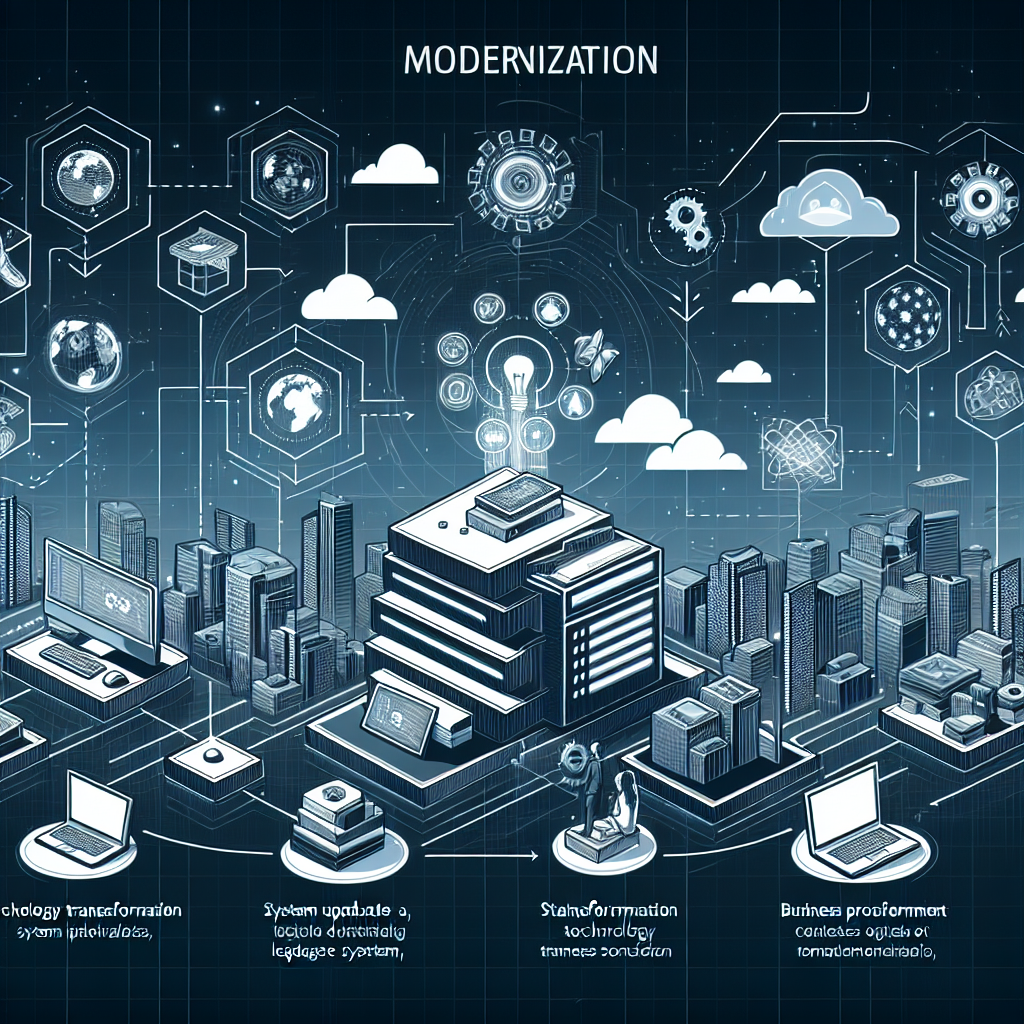
Contractual System Modernization: Legacy System Update Services and Contracts
Get professional contractual system modernization services with guaranteed update contracts and comprehensive legacy system support agreements. Transform your outdated technology with reliable modernization partnerships.
Is your business still running on technology that's years or even decades old? Legacy systems that worked in the past may now be holding your business back with poor performance, security vulnerabilities, and limited functionality. When your technology becomes a barrier instead of an enabler, it's time to stop getting frustrated and get the modernization help you need.
Signs Your Legacy System Needs Updating
Performance Problems
- Slow Response Times: Systems that take forever to load or process data
- Frequent Crashes: Software that freezes or stops working unexpectedly
- Limited Capacity: Systems that can't handle your current business volume
- Poor User Experience: Interfaces that are confusing and difficult to use
Security and Compliance Issues
- Outdated Security: Systems that are vulnerable to modern cyber threats
- No Support: Software that's no longer supported by the vendor
- Compliance Gaps: Systems that don't meet current regulatory requirements
- Data Risks: Information that's not properly protected or backed up
Business Limitations
- Integration Challenges: Systems that don't work with modern tools
- Scalability Issues: Technology that can't grow with your business
- Feature Limitations: Missing functionality that your business needs
- Maintenance Costs: Expensive support for outdated systems
Common Legacy System Challenges
Technical Debt
Old systems often have accumulated problems over time:
- Outdated Code: Programming languages and frameworks that are no longer supported
- Poor Architecture: Systems that weren't designed for current business needs
- Data Silos: Information trapped in systems that don't communicate
- Manual Processes: Workflows that require human intervention for simple tasks
Business Impact
- Lost Productivity: Employees spending time working around system limitations
- Missed Opportunities: Unable to take advantage of new business capabilities
- Competitive Disadvantage: Competitors with modern systems gaining an edge
- Customer Frustration: Poor experiences due to outdated technology
Benefits of System Modernization
Improved Performance
- Faster Processing: Modern systems that handle tasks quickly and efficiently
- Better Reliability: Systems that work consistently without frequent problems
- Enhanced User Experience: Interfaces that are intuitive and easy to use
- Scalable Architecture: Technology that can grow with your business
Enhanced Security
- Current Security Standards: Protection against modern cyber threats
- Regular Updates: Ongoing security patches and improvements
- Data Protection: Better backup and recovery capabilities
- Compliance Support: Systems that meet current regulatory requirements
Business Growth
- New Capabilities: Features and functionality that support business growth
- Integration Opportunities: Systems that work with modern business tools
- Automation Potential: Reducing manual work through better technology
- Competitive Advantage: Technology that gives you an edge over competitors
Contractual Modernization Approaches
System Replacement Contracts
Contractual system replacement with guaranteed outcomes:
- Modernization Contracts: Legally binding agreements for system replacement
- Timeline Guarantees: Contractual commitments for project completion
- Performance Standards: Contractual specifications for system performance
- Support Agreements: Ongoing maintenance contracts for new systems
Gradual Modernization
Updating systems incrementally to minimize disruption:
- Component Updates: Replacing individual parts of the system
- Interface Modernization: Updating user interfaces while keeping core functionality
- Integration Layers: Adding modern connections to existing systems
- Data Migration: Moving information to modern platforms gradually
Hybrid Solutions
- Best of Both Worlds: Keeping what works while adding modern capabilities
- API Integration: Connecting legacy systems with modern tools
- Cloud Migration: Moving systems to modern cloud platforms
- Microservices Architecture: Breaking systems into manageable components
Planning Your Modernization Project
Assessment and Analysis
- Current State Review: Understanding what you have and how it works
- Business Requirements: Defining what you need the system to do
- Gap Analysis: Identifying what's missing or problematic
- Risk Assessment: Understanding potential challenges and mitigation strategies
Solution Design
- Architecture Planning: Designing the new system structure
- Technology Selection: Choosing the right platforms and tools
- Migration Strategy: Planning how to move from old to new systems
- Implementation Timeline: Creating a realistic schedule for the project
Implementation Best Practices
Phased Approach
- Pilot Projects: Starting with small, manageable improvements
- Quick Wins: Addressing the most critical problems first
- Gradual Rollout: Implementing changes incrementally
- Continuous Improvement: Ongoing optimization based on feedback
Change Management
- User Training: Ensuring your team knows how to use new systems
- Process Documentation: Clear procedures for new workflows
- Support During Transition: Help during the changeover period
- Feedback Collection: Continuous improvement based on user experience
Working with the Right Modernization Partner
Technical Expertise
- Legacy System Knowledge: Understanding of older technologies and platforms
- Modern Technology Skills: Expertise in current development practices
- Migration Experience: Proven track record of successful system updates
- Industry Knowledge: Understanding of your specific business requirements
Project Management
- Risk Management: Identifying and mitigating potential problems
- Timeline Management: Keeping projects on schedule and within budget
- Communication: Regular updates and transparent reporting
- Quality Assurance: Thorough testing and validation of new systems
ROI of System Modernization
Cost Savings
- Reduced Maintenance: Lower costs for system support and updates
- Improved Efficiency: Faster processes that save time and money
- Reduced Downtime: More reliable systems that don't interrupt business
- Better Security: Avoiding the costs of security breaches and data loss
Business Benefits
- Increased Productivity: Systems that help employees work more efficiently
- Better Customer Service: Technology that supports excellent customer experiences
- Competitive Advantage: Modern capabilities that differentiate your business
- Growth Enablement: Technology that supports business expansion
Conclusion: Transform Your Technology, Transform Your Business
Legacy systems don't have to be a permanent limitation for your business. With the right modernization approach, you can transform outdated technology into modern, efficient systems that support your business growth. Don't let old technology hold your business back—get the expert help you need to modernize your systems and unlock your business potential.
Ready to modernize your legacy systems? Contact BrightPrompt Consulting for a free system assessment. We'll help you identify the best modernization approach for your business and create a plan to transform your technology into a competitive advantage.