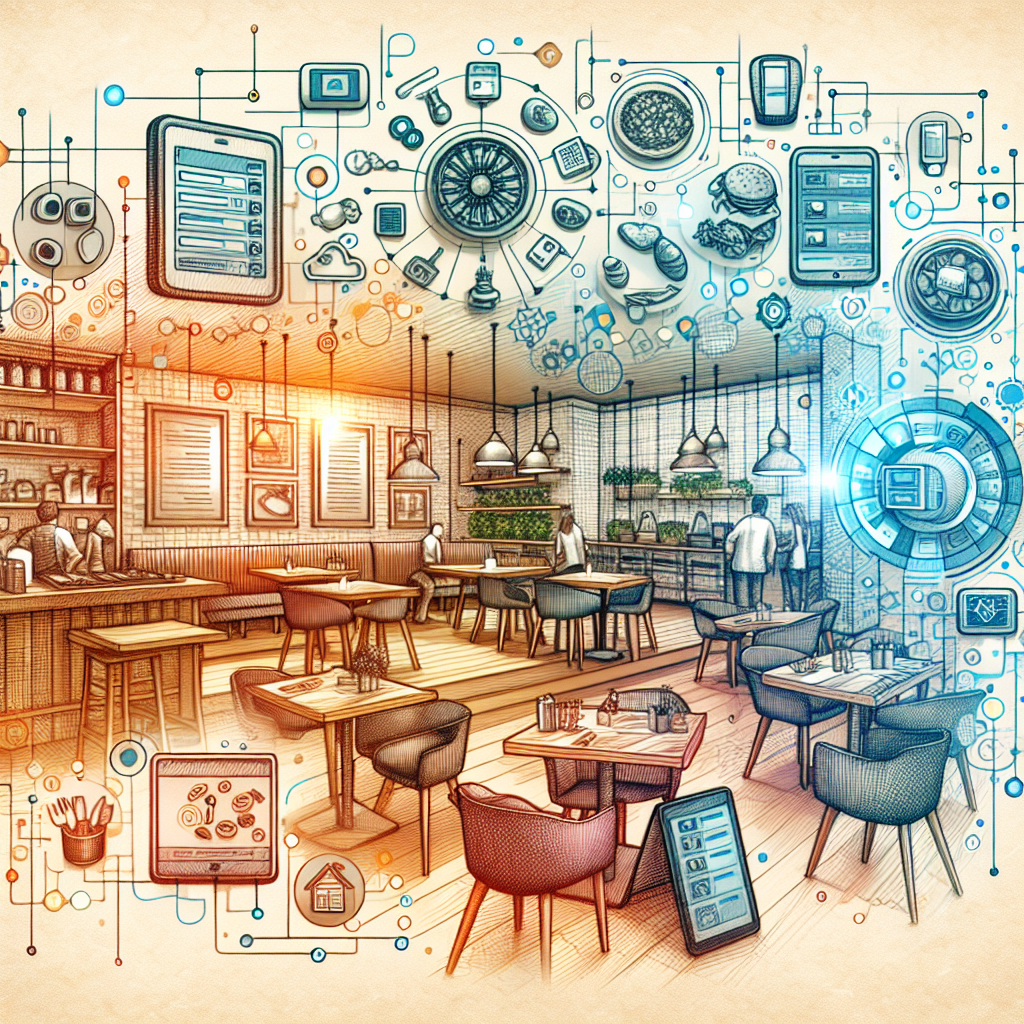
Restaurant Digital Transformation: How Technology Can Save Your Business
Discover how restaurants are using digital technology to increase orders, reduce costs, and improve customer experience. Learn specific strategies that work.
Last month, I watched a local restaurant owner named Maria spend 3 hours manually entering orders from her phone into her POS system. She was exhausted, her staff was overwhelmed, and her customers were frustrated with long wait times. "I love cooking, not technology," she told me. "But I know I need to modernize or I'll lose customers to the big chains."
Maria's story is common. The restaurant industry is undergoing a massive digital transformation, and small restaurants that don't adapt are struggling to compete. But here's the good news: digital transformation doesn't have to be complicated or expensive.
At BrightPrompt Consulting, we've helped dozens of restaurants implement technology solutions that increase revenue, reduce costs, and improve customer satisfaction. Let me show you exactly how to transform your restaurant with the right digital tools.
The Restaurant Digital Transformation Challenge
Restaurants face unique challenges in the digital age:
- Online Competition: Big chains and delivery apps are capturing market share
- Labor Shortages: Finding and retaining staff is increasingly difficult
- Rising Costs: Food costs, rent, and utilities are all increasing
- Customer Expectations: Diners expect seamless online ordering and quick service
- Operational Inefficiency: Manual processes waste time and money
But restaurants that embrace digital transformation are seeing remarkable results:
- 30-50% increase in online orders
- 20-40% reduction in operational costs
- Improved customer satisfaction scores
- Better staff retention and productivity
- Increased profit margins
Real Restaurant Success Stories
Maria's Italian Kitchen: From Manual Chaos to Digital Efficiency
Maria's restaurant was struggling with:
- Manual order entry taking 3+ hours daily
- Lost orders and customer complaints
- No online presence or delivery options
- Staff spending time on administrative tasks instead of customer service
- Difficulty tracking inventory and costs
Our Digital Transformation Solution:
- Integrated online ordering system with automatic POS integration
- Automated inventory management and ordering
- Customer relationship management system
- Staff scheduling and time tracking automation
- Digital marketing and social media management
The Results:
- Order processing time: 3 hours → 15 minutes daily
- Online orders: 0 → 45% of total revenue
- Customer complaints: 15 per week → 2 per week
- Staff productivity: +40%
- Monthly revenue: +35%
- Maria's stress level: Through the roof → Manageable
Tom's BBQ Joint: From Local Favorite to Regional Powerhouse
Tom had a great product but limited reach:
- No online ordering or delivery
- Manual marketing and customer communication
- Difficulty managing multiple locations
- No data on customer preferences or ordering patterns
Our Digital Transformation Solution:
- Multi-location management system
- Automated marketing and customer engagement
- Data analytics and business intelligence
- Mobile app for customers
- Automated inventory and supply chain management
The Results:
- Customer base: 500 → 2,500 regular customers
- Revenue per location: +60%
- Marketing efficiency: 10x improvement
- Customer retention: +45%
- Expansion: 1 location → 3 locations in 18 months
Essential Digital Tools for Restaurants
1. Online Ordering and Delivery Systems
Why It Matters: 60% of restaurant orders are now placed online. Without online ordering, you're missing out on a huge portion of potential customers.
Recommended Solutions:
- Toast POS: All-in-one system with online ordering
- Square: Easy to use with good online integration
- Clover: Comprehensive restaurant management
- Custom Solutions: For unique restaurant needs
Implementation Strategy:
- Start with a simple online ordering system
- Integrate with your existing POS
- Add delivery options gradually
- Train staff on new systems
- Monitor and optimize based on data
2. Inventory and Supply Chain Management
Why It Matters: Restaurants lose 10-15% of revenue to waste and inefficiency. Automated inventory management can reduce this significantly.
Key Features:
- Automatic inventory tracking
- Predictive ordering based on sales data
- Waste tracking and analysis
- Supplier management and ordering
- Cost analysis and optimization
Real Example: A client reduced food waste by 30% and saved $2,500 per month using automated inventory management.
3. Customer Relationship Management (CRM)
Why It Matters: Repeat customers are 5-25x more valuable than new customers. A good CRM helps you build and maintain customer relationships.
Key Features:
- Customer database and preferences
- Automated marketing campaigns
- Loyalty programs and rewards
- Customer feedback and review management
- Personalized communication
Real Example: A client increased repeat customer visits by 40% using automated birthday wishes and personalized offers.
4. Staff Management and Scheduling
Why It Matters: Labor costs are typically 30-35% of restaurant revenue. Efficient scheduling and management can reduce these costs significantly.
Key Features:
- Automated scheduling based on sales forecasts
- Time tracking and payroll integration
- Staff communication and task management
- Performance tracking and training
- Compliance and safety management
5. Digital Marketing and Social Media
Why It Matters: 90% of customers research restaurants online before visiting. Strong digital marketing is essential for attracting new customers.
Key Strategies:
- Local SEO optimization
- Social media management and engagement
- Email marketing campaigns
- Online review management
- Content marketing (blog, videos, photos)
Implementation Roadmap for Restaurant Digital Transformation
Phase 1: Foundation (Weeks 1-4)
Goals: Establish basic digital infrastructure
- Audit current systems and processes
- Choose and implement online ordering system
- Set up basic customer database
- Train staff on new systems
- Establish digital marketing presence
Phase 2: Optimization (Weeks 5-12)
Goals: Improve efficiency and customer experience
- Implement inventory management system
- Add automated marketing campaigns
- Optimize staff scheduling
- Launch loyalty program
- Begin data collection and analysis
Phase 3: Growth (Weeks 13-24)
Goals: Scale operations and increase revenue
- Expand delivery and catering options
- Implement advanced analytics
- Launch mobile app
- Explore new revenue streams
- Plan for expansion or franchising
Common Digital Transformation Mistakes to Avoid
Mistake 1: Trying to Do Everything at Once
The Problem: Implementing too many systems simultaneously overwhelms staff and customers.
The Solution: Take a phased approach. Start with the highest-impact, lowest-effort changes first.
Mistake 2: Ignoring Staff Training
The Problem: New technology fails if staff doesn't know how to use it effectively.
The Solution: Invest in comprehensive training and ongoing support.
Mistake 3: Choosing the Wrong Technology
The Problem: Technology that doesn't fit your restaurant's specific needs creates more problems than it solves.
The Solution: Work with experts who understand the restaurant industry and your specific needs.
Mistake 4: Neglecting Customer Experience
The Problem: Technology that makes operations more efficient but hurts customer experience is counterproductive.
The Solution: Always prioritize customer experience when choosing and implementing technology.
Measuring Digital Transformation Success
Key Performance Indicators (KPIs)
- Revenue Growth: Track total revenue and revenue per customer
- Operational Efficiency: Measure order processing time and staff productivity
- Customer Satisfaction: Monitor reviews, ratings, and repeat visits
- Cost Reduction: Track labor costs, food waste, and operational expenses
- Digital Engagement: Measure online orders, website traffic, and social media engagement
ROI Calculation
Implementation Costs: Technology, training, and consulting fees
Ongoing Costs: Software subscriptions and maintenance
Benefits: Increased revenue, reduced costs, improved efficiency
Typical ROI: 200-500% within the first year
Getting Started with Restaurant Digital Transformation
Step 1: Assess Your Current State
Evaluate your current technology, processes, and pain points:
- What systems are you currently using?
- What are your biggest operational challenges?
- What are your customers asking for?
- What are your competitors doing?
- What's your budget for technology investment?
Step 2: Define Your Goals
Set clear, measurable goals for your digital transformation:
- Increase online orders by X%
- Reduce operational costs by X%
- Improve customer satisfaction scores
- Increase staff productivity
- Expand your customer base
Step 3: Choose Your Technology Partners
Select technology solutions that fit your needs and budget:
- Work with experienced restaurant technology consultants
- Choose scalable solutions that can grow with your business
- Ensure systems integrate well with each other
- Consider ongoing support and training needs
Step 4: Implement and Optimize
Execute your digital transformation plan:
- Start with high-impact, low-effort changes
- Train your team thoroughly
- Monitor results and adjust as needed
- Celebrate successes and learn from challenges
The Future of Restaurant Technology
Emerging Trends
- AI-Powered Personalization: Menus and offers tailored to individual customers
- Voice Ordering: Customers ordering through smart speakers and voice assistants
- Augmented Reality: Virtual menus and interactive dining experiences
- Robotics and Automation: Automated cooking and service systems
- Blockchain Supply Chain: Transparent and efficient supply chain management
Preparing for the Future
Restaurants that embrace digital transformation now will be best positioned to take advantage of future technologies. The key is building a flexible, scalable technology foundation that can adapt to new innovations.
Conclusion: Your Restaurant's Digital Future
Digital transformation isn't just about technology—it's about using technology to create better experiences for your customers and your team. The restaurants that succeed in the digital age will be those that combine great food and service with smart technology solutions.
At BrightPrompt Consulting, we specialize in helping restaurants navigate digital transformation. We understand the unique challenges of the restaurant industry and can help you implement the right technology solutions for your specific needs.
Ready to transform your restaurant with technology? Let's discuss your current challenges and create a digital transformation plan that will help your restaurant thrive in the digital age. Request a consultation to get started.